Procurement & RFQ control
Compare steam boiler quotations on one complete plant boundary
Issue the same steam-demand profile to every bidder, then compare the replies in the workbook below. Record steam conditions, water and condensate assumptions, fuel, efficiency basis, controls, delivery condition and exclusions. A missing response remains an open question, not an included item.
Steam design basis
Record normal, peak and startup demand, pressure, steam condition, operating hours, turndown and redundancy requirements.
Water & condensate
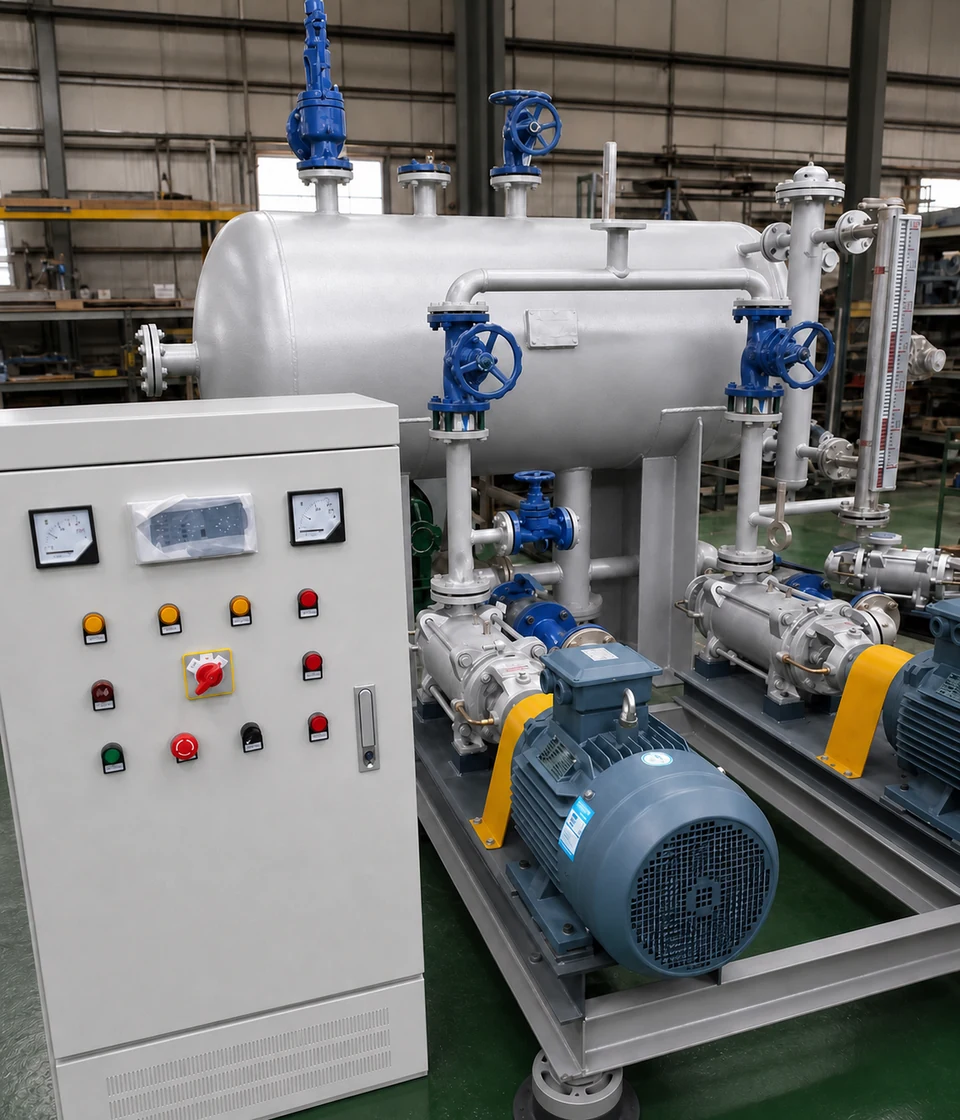
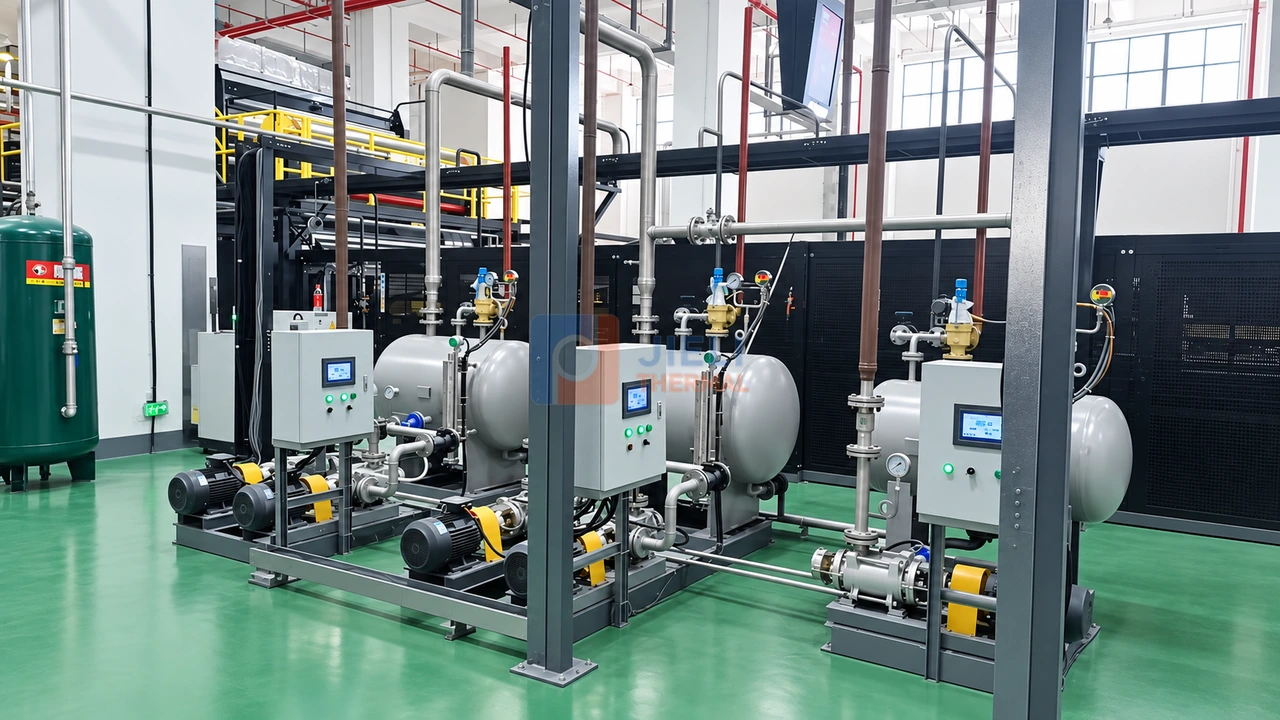
Define raw-water analysis, softening or RO, deaeration, feedwater temperature, blowdown and expected condensate-return percentage.
Supplier deliverables
Request GA drawings, P&ID, data sheets, control logic, inspection records, manuals, packing list and commissioning responsibilities.
Delivery & site scope
Confirm packaged or field-assembled delivery, transport limits, project code, emissions, civil work, erection, piping and excluded services.
Why two 10 t/h steam boiler offers may not be comparable
Pressure: distinguish gauge from absolute pressure and pressure at the boiler outlet from pressure required at the process user. State saturated or superheated steam and any steam-quality requirement.
Feedwater: an offer calculated with hot returned condensate is not equivalent to one calculated with cold makeup water. Ask for the assumed feedwater temperature and return percentage before comparing fuel consumption.
Steam boiler rating basis: ask whether kg/h or TPH means actual evaporation at the specified working pressure and feedwater temperature, or equivalent evaporation “from and at 100°C” (F&A). These figures are not interchangeable. Boiler horsepower (BHP) is a heat-output rating, not a pump-motor rating. Record each bidder's rating basis and actual guaranteed steam output in the comparison workbook before comparing prices. See Spirax Sarco's boiler-rating explanation.
Fuel and load: compare the same fuel heating value, LHV or HHV efficiency basis, operating load and included economizer. A full-load efficiency claim does not describe an entire variable-load year.
Quotation rule: compare the same steam output, pressure, feedwater temperature, fuel, efficiency basis and scope. Boiler-body price alone cannot represent the cost of a complete steam plant.
What affects industrial steam boiler price?
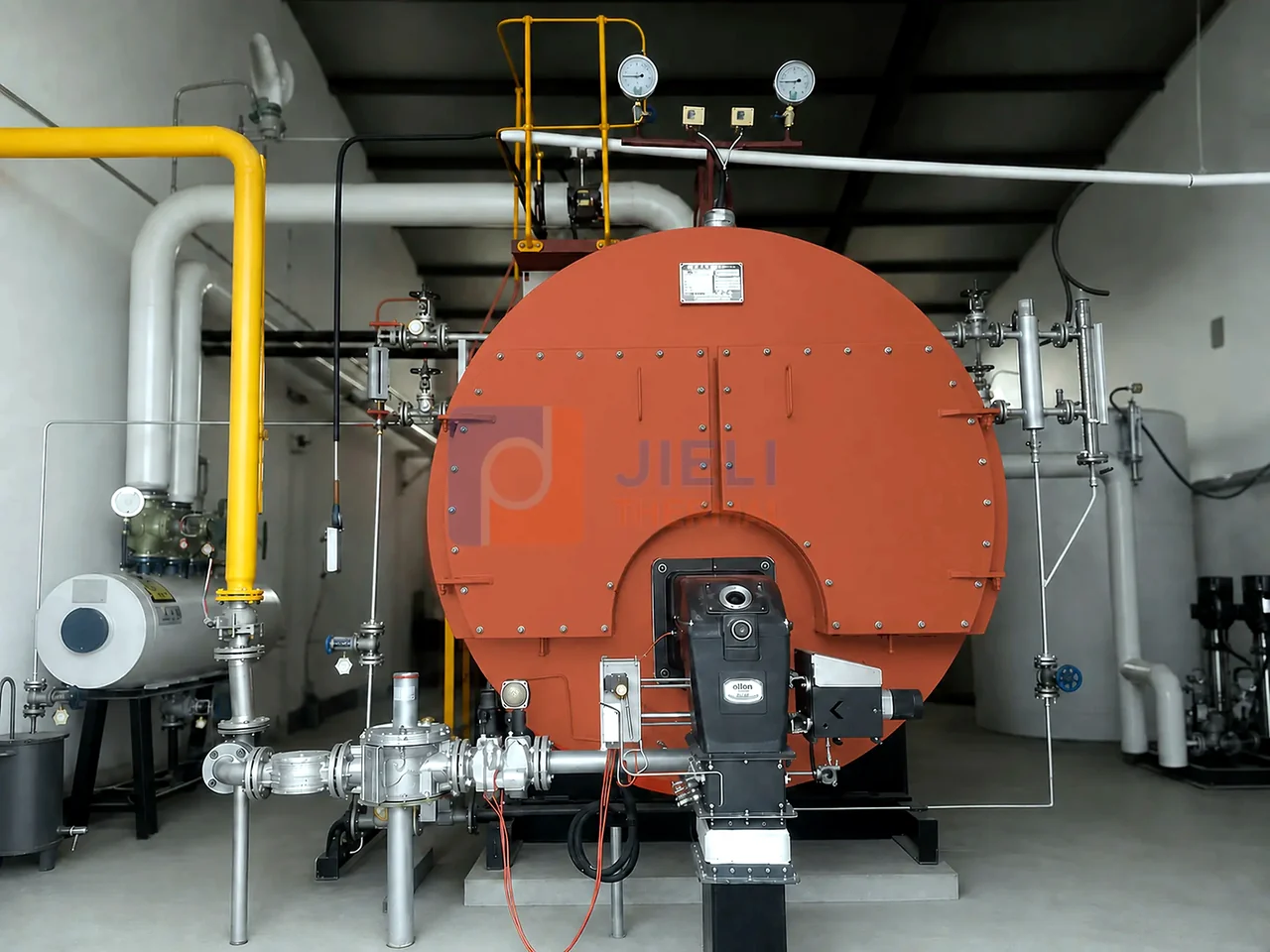
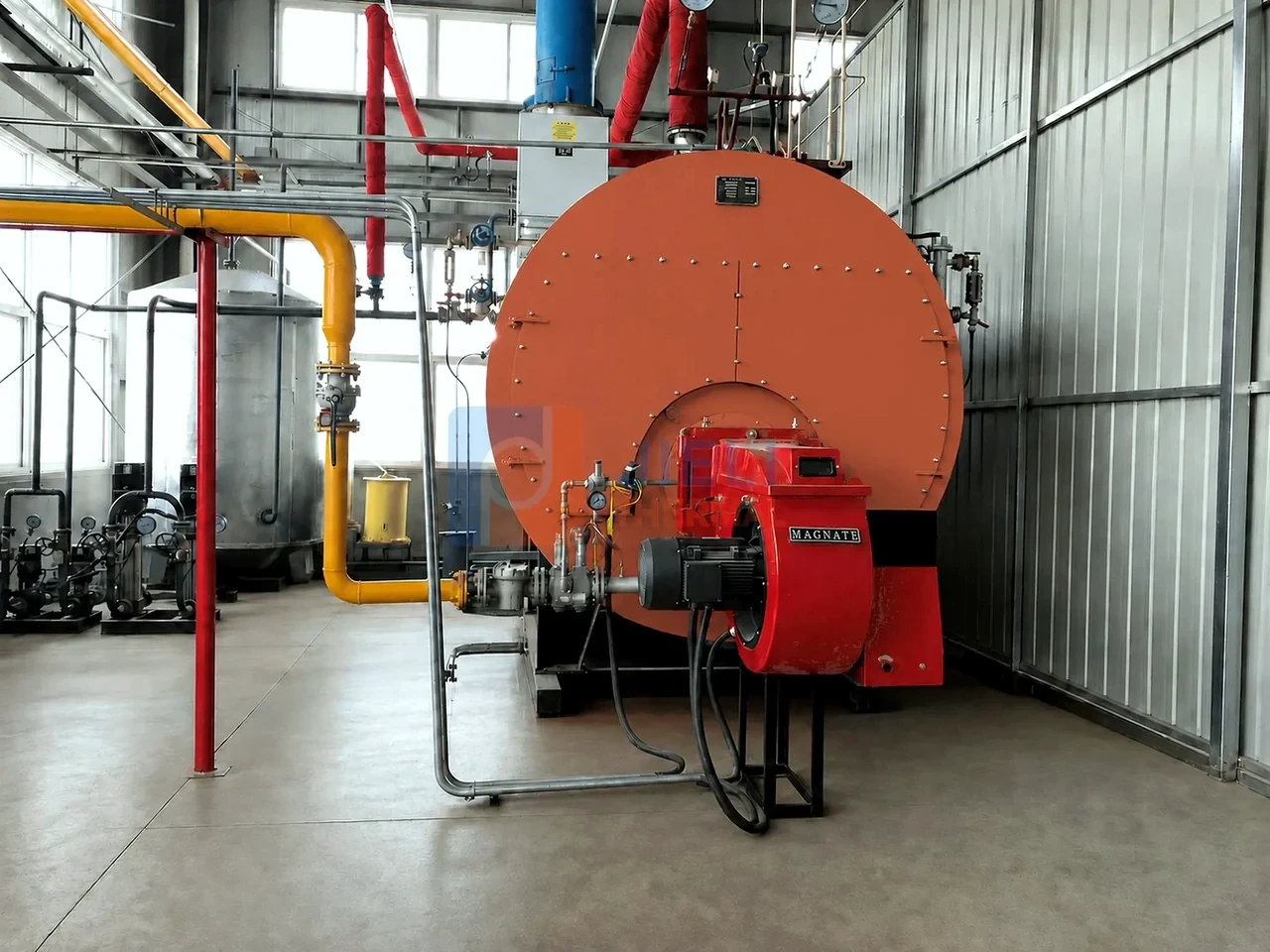
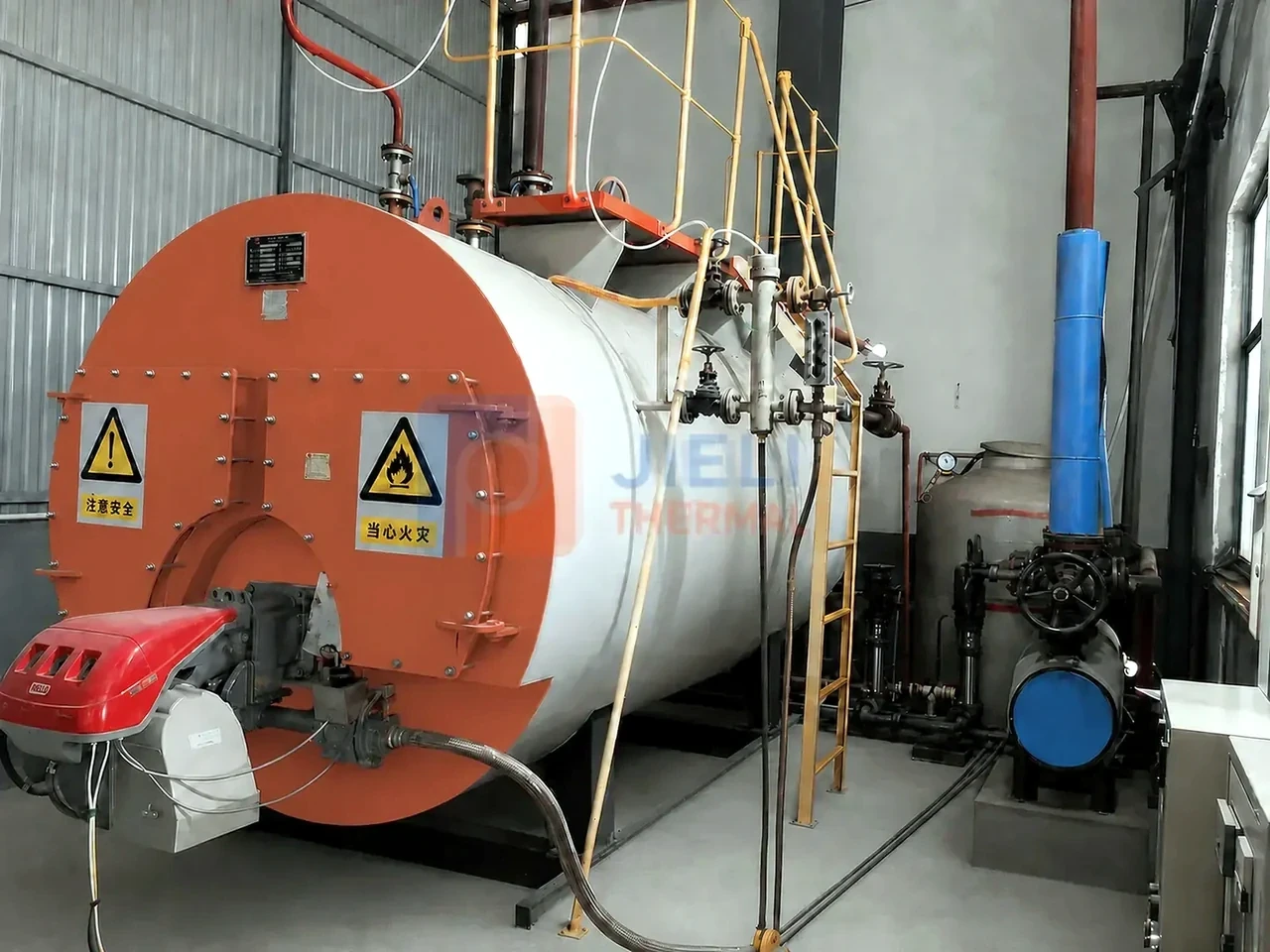
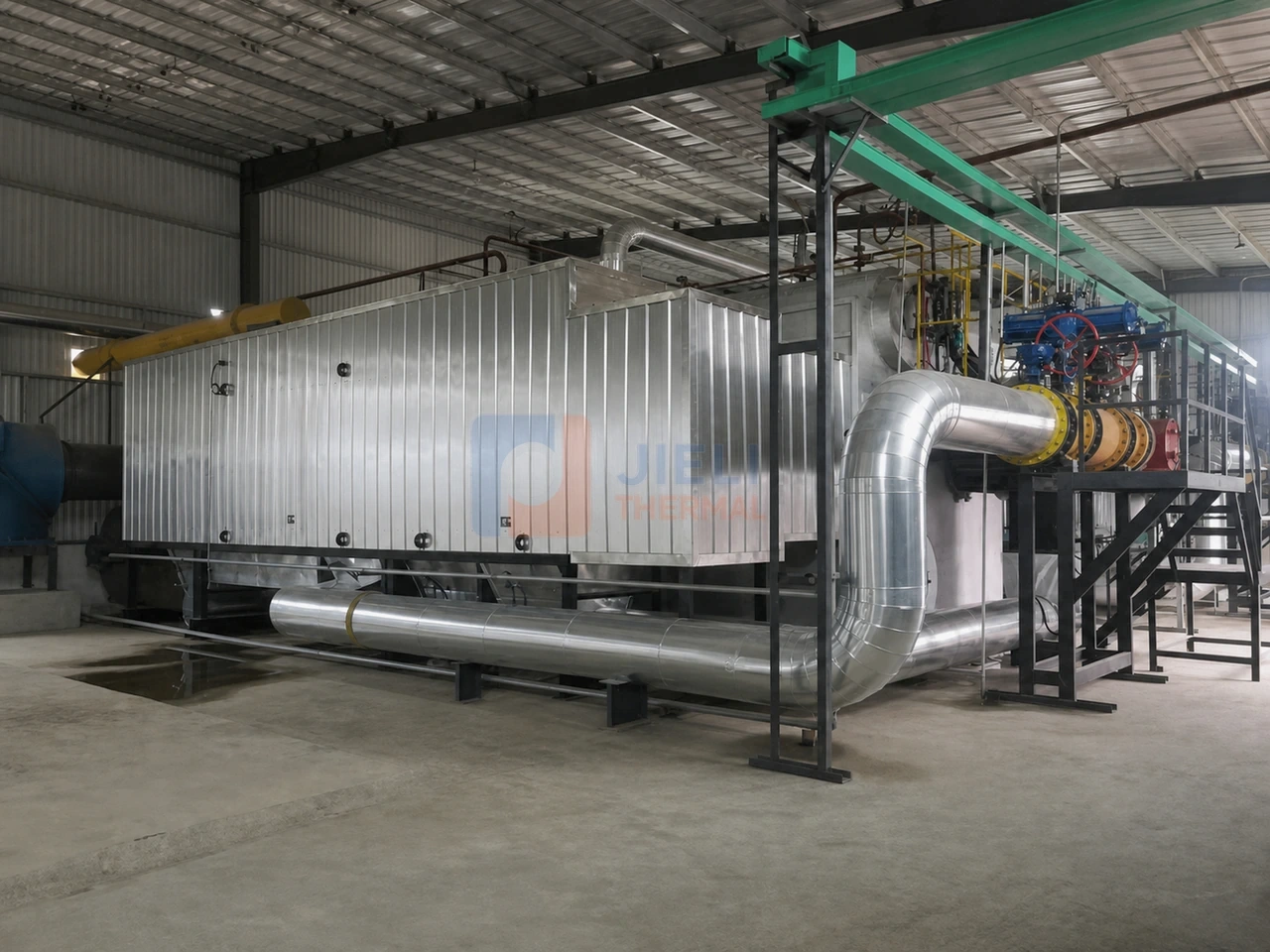
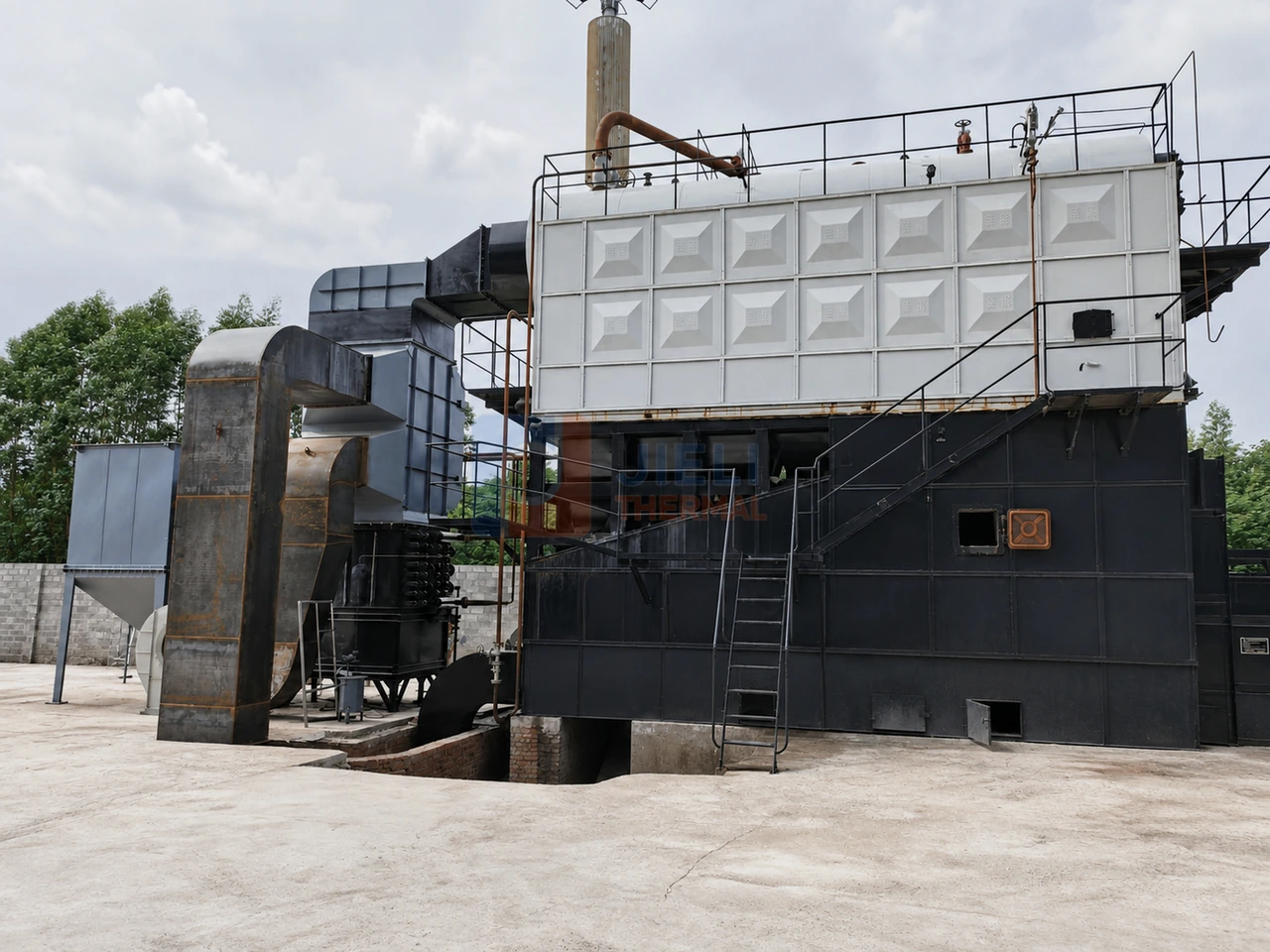
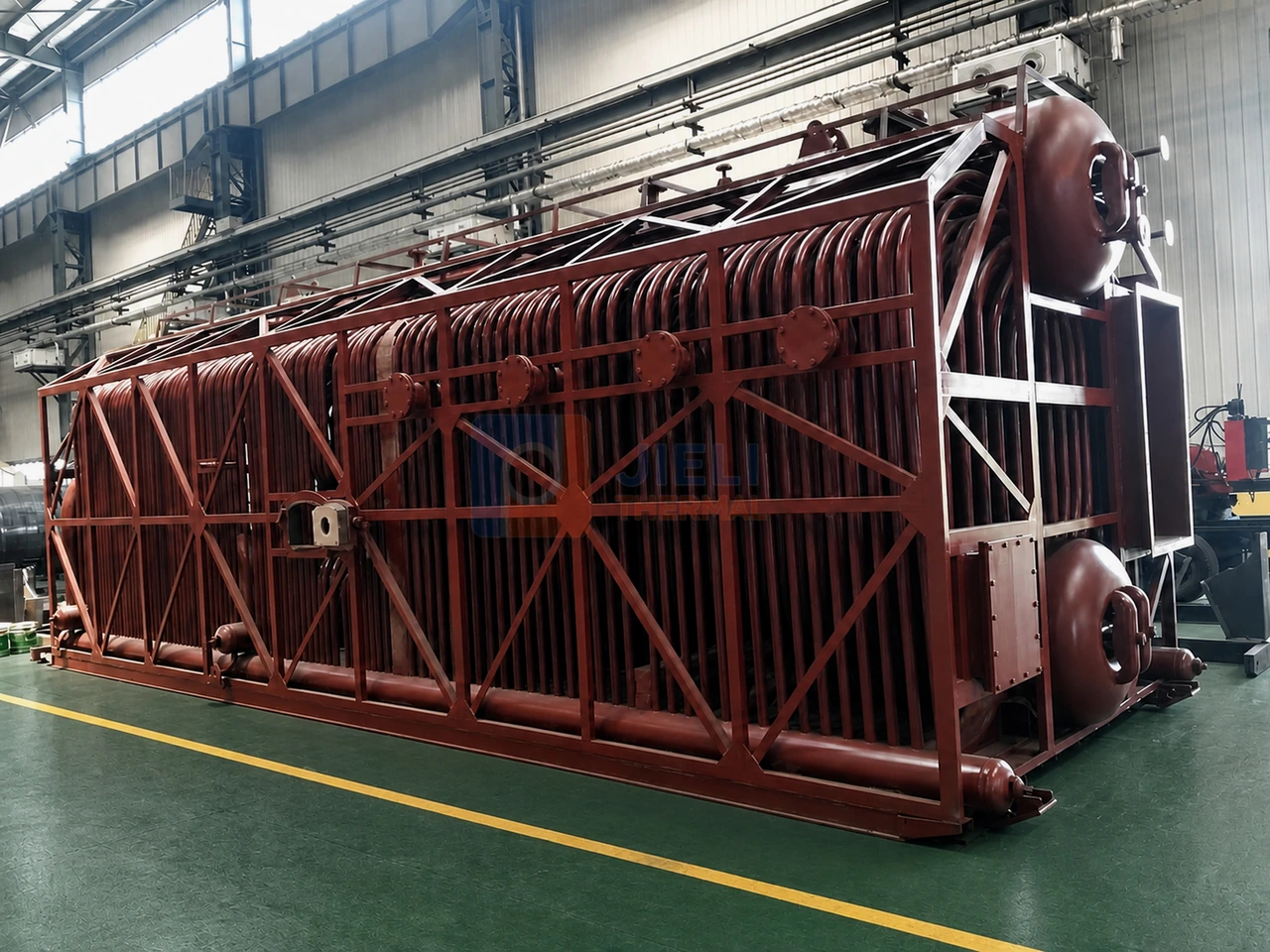
A gas-fired package and a biomass-fired steam plant should be priced against the same steam output and pressure, but their auxiliary equipment is different. Ask for separate prices for the boiler, burner or grate, fuel handling, water treatment, economizer, dust and ash equipment, controls, delivery and site work. This makes an equipment-only offer distinguishable from a complete boiler-room proposal.
Start with your required t/h, fuel, application and project country. If pressure or water data is not yet available, mark it as unknown so the remaining selection questions can be identified. Request a steam boiler quotation.
Download steam boiler quotation comparison (Excel)
Includes English, Spanish and Russian sheets. Fill the buyer column, compare up to three suppliers and list exclusions or missing data.
Download 20 WNS / DZL model records and project input sheet (Excel, EN / ES). Use the manufacturer catalogue beside your comparison workbook; confirm fuel, pressure, water treatment and supply boundaries.
Manufacturer reference: Argentina WNS12-1.25, 12 t/h (PDF, EN / ES). Use this documented gas-fired steam boiler reference alongside the workbook. Compare your required pressure, gas supply, water treatment and installation boundary; the same steam output does not make two packages equivalent.